
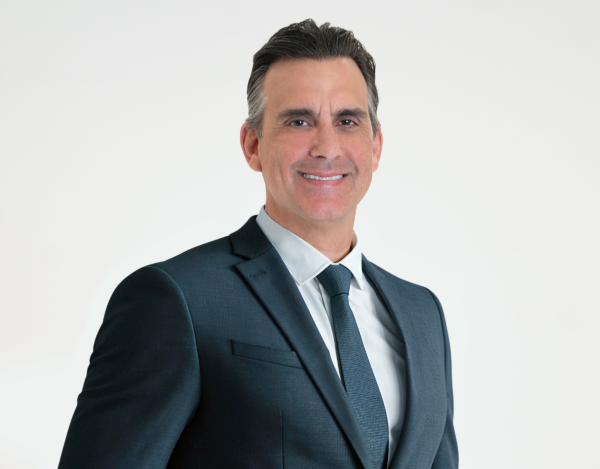
The Digital Wealth News AI Reality Check series examines where artificial intelligence delivers real value within the wealth management industry, and where hype may be getting ahead of reality. For Michael Mansur, CEO and Wealth Advisor at Ascentis Wealth Management, the most impactful AI applications of today help advisors do away with administrative work, improve productivity and create more time for clients.
Mansur sees AI as an opportunity to increase the capacity of human advisors rather than replace them. While the tech can surface insights and help with increasingly sophisticated tasks, he argues that information alone can’t replicate the judgment needed when clients are navigating major life events or decisions with multigenerational ramifications.
Looking ahead, Mansur expects AI to move from simply answering questions to helping advisors get real work done, from preparing for client interactions to identifying planning opportunities and organizing next steps.
For Mansur, AI adoption should be driven by business needs and accompanied by strong attention to privacy, security, accuracy and human oversight.
Digital Wealth News: What types of AI applications are delivering the most value to the wealth management industry today?
Michael Mansur: Right now, the biggest value is pretty simple: AI is helping people get more done. It can take notes, summarize meetings, draft follow-ups, organize information and help advisors prepare for client conversations. That may not sound revolutionary, but if we can take hours of administrative work off an advisor’s plate every week, that is meaningful. Wealth management is still a people business. I don’t see AI replacing the advisor. I see it allowing great advisors to spend more time with clients and less time doing things that technology should be doing for them.
DWN: What is the most overrated application of AI within the wealth management industry today?
MM: The idea that AI is going to replace the financial advisor is probably the most overrated part of the conversation. Our clients don’t just come to us for an answer they can find online. They come to us when they are selling a business, retiring, dealing with a major life event or trying to make decisions that could impact their family for generations. AI can give you information, but information and judgment are not the same thing. I think the winners will be the firms that figure out how to combine AI with great people – not replace great people.
DWN: What are the most critical pitfalls wealth management firms must avoid when adopting AI?
MM: The biggest mistake is implementing AI just so you can say you are using AI. We see a lot of firms chasing technology without really thinking about what problem they are trying to solve. Start with the business problem. Where are we wasting time? Where can we improve the client experience? Where can we help our people be more productive? Then find the right technology. The other issue is governance. We are in a business built on trust, so privacy, security, accuracy and human oversight have to be part of the process from day one.
DWN: What AI development will have the greatest impact on the wealth management industry in 12 to 24 months from now, and why?
MM: I think the biggest change will come when AI moves beyond simply answering questions and starts helping people actually get work done. The next generation of AI should be able to help an advisor prepare for a meeting, review what has changed in a client’s financial life, identify potential planning opportunities and help organize the next steps. That has the potential to dramatically increase the capacity of a great advisor. And that is what excites me most, not technology for technology’s sake, but using it to build a better business and deliver a better experience for clients.