
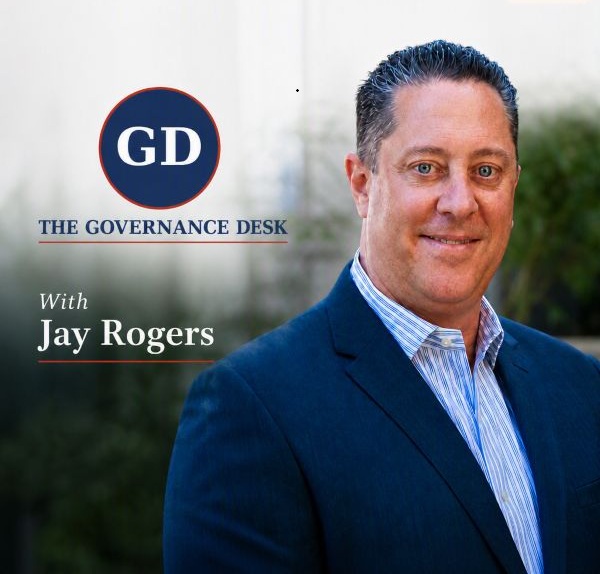
By Jay L. Rogers
Thirty years ago, I sat in a conference room at Morgan Stanley while a family patriarch explained, in some detail, why his office didn’t need an org chart because everyone just knew what to do. Eighteen months later, after he had a stroke, nobody knew what to do. The portfolio was fine. The people running it were not.
That gap between how well family offices manage money and how well they manage themselves is the reason this column exists.
Family office coverage tends to split into two camps. One is the lifestyle press, the profiles of art collections and yacht purchases that treat wealth as spectacle. The other is the legal and technical literature, written by and for specialists, that assumes you already know what a private trust company is and don’t need anyone to explain why it matters. Both have their place. Neither is much use to the person who actually has to decide whether to hire a chief operating officer this year, how to structure the next family meeting, or what happens to signing authority if the founder is unreachable for a month.
That’s the gap The Governance Desk is built to fill. Every other Wednesday, this space will cover the operating side of family wealth: infrastructure, staffing, succession planning, next-gen education, philanthropy, legal structure, tax timing, and risk management. Not stock picks. Not manager selection. Lisa Morris covers investment ideas elsewhere in this section, and she’s better positioned for that conversation than I am. My beat is what happens around the portfolio, not in it, which turns out to be where most of the expensive mistakes happen anyway.
I come to this from the operating side, not the commentary side. Thirty-plus years across Bear Stearns, Morgan Stanley, and Wells Fargo, followed by direct work running hedge fund, private equity fund-of-funds, and private credit portfolios, and working inside five single-family offices. I’ve also spent a fair amount of time as a testifying expert witness in fiduciary duty and family office litigation, which means I’ve seen what these offices look like after something has gone wrong. That perspective shapes what I write about. Litigation has a way of teaching you exactly which corners get cut, because those are the corners the lawyers ask about first.
A few things you can expect from this column. Every piece will start with a decision, not a topic. Governance and succession planning are broad enough to write about forever without saying anything useful, so each installment will be built around a specific choice a family office principal or advisor actually has to make. Every factual claim will be sourced to something current and verifiable, usually one of the major family office surveys or a primary legal or regulatory document, and I’ll link to it rather than ask you to take my word for it. When the data doesn’t exist or isn’t good enough to support a conclusion, I’ll say so instead of filling the gap with confidence I don’t have.
I’ll also try not to waste your time. This is a column for people who already know what a family office is and don’t need the concept re-explained to them every two weeks. If a piece runs 800 words instead of 1,200, that’s because 800 words was enough to make the point.
One last thing worth setting expectations on. I’m not going to pretend every family office runs the way mine did, or the way the ones I’ve advised do. The range of what “good governance” looks like is wide, and part of what makes this beat interesting is that the right answer for a $200 million operating business converted to a family office looks nothing like the right answer for a fourth-generation family with forty beneficiaries and no operating company at all. I’ll try to be specific about which situation I’m talking about, rather than writing as though one size fits all.
If there’s a governance, staffing, or succession problem you’d like to see covered here, the door’s open. Some of the better column ideas over the years have come from readers who were living through the problem in real time, not from anything I noticed on my own.
Author Bio: Jay L. Rogers is Chief Investment Officer of Alpha Strategies Investment Consulting and Managing Partner of Global Rock Family Office Group. He has spent more than thirty years in institutional and family office investment management, including senior roles at Bear Stearns, Morgan Stanley, and Wells Fargo, and serves as a testifying expert witness in fiduciary duty and family office litigation.