Right on schedule — just when you thought 2026 might ease into the new year quietly — the markets, Washington, and half the global chessboard decided to floor it instead.
Two weeks in, and we already have all the familiar ingredients: stocks pressing new highs, gold and silver making headlines again, economic data that’s still trying to remember what “normal” looks like, and a government that can’t decide whether it wants to stimulate, regulate, investigate, or all three at once. If this feels familiar, that’s because it is. Same movie. New calendar.
Markets, of course, are thrilled. Stocks are climbing as if gravity were optional. Precious metals are acting like they’ve been tipped off about something the rest of us haven’t read yet. And investors, once again, are being reminded that January optimism has a long and proud history of overstaying its welcome.
Meanwhile, geopolitics wasted no time making an entrance. In the span of days, the U.S. managed to dominate headlines with foreign leaders, oil deals, and territorial chatter that feels less like policy and more like someone brainstorming out loud. None of this has slowed markets down — which should probably concern you more than it comforts you.
Then there’s the Federal Reserve. Once upon a time, the Fed’s job was boring by design. Set rates. Watch inflation. Avoid drama. That era appears to be over. Now, the central bank finds itself dragged into political theater, complete with “suggestions” that perhaps it should reconsider interest rate policy — or face consequences. Apparently, even office space decisions are now fair game.
This is not how institutional confidence is built. But markets, once again, are choosing to focus on the possibility of lower rates rather than the reason those rate discussions are happening in the first place. Hope springs eternal — especially when leverage is involved.
Adding to the fun, proposals to cap credit card interest rates are making the rounds. On paper, it sounds consumer-friendly. In practice, it misunderstands how risk works. When you cap returns without capping risk, credit doesn’t become cheaper — it becomes harder to get. Banks don’t absorb losses out of goodwill. They tighten standards, reduce access, and quietly exit the margins. Congratulations — you’ve solved one problem by creating three more.
Politically, we’re right on schedule as well. Midterm elections loom, partisan lines harden, and the odds of yet another impeachment cycle quietly rise. Whether it leads anywhere is almost beside the point. Markets don’t love uncertainty — but they’ve become remarkably good at pretending it doesn’t matter, at least until it does.
And let’s not forget the ever-present government shutdown threat. It’s the fiscal equivalent of a fire alarm that goes off so often no one bothers to look up anymore. Until one day, something actually burns.
So what does all this mean for investors staring at a very green screen and wondering if this is finally “the year”?
Here’s the uncomfortable truth: markets don’t run on slogans. They run on earnings, liquidity, and confidence — and confidence is fickle. The louder the narrative gets about “strong economies” and “best years ahead,” the more important it becomes to look at what’s actually driving returns.
Yes, there is upside. There always is. But valuations matter. Debt matters. Policy whiplash matters. And when markets move primarily on expectations rather than fundamentals, reversals tend to arrive faster than anyone expects.
This is not a call to panic. It’s a reminder to pay attention.
2026 may turn out just fine. It may even be great — for a while. But the idea that returns are automatic, risk is gone, and volatility has been permanently canceled belongs in the same category as miracle diets and guaranteed lottery systems.
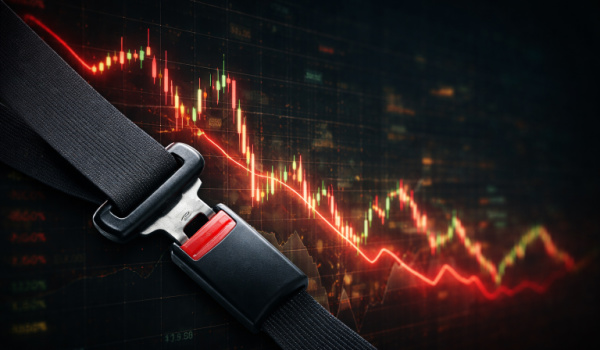
So consider this your friendly reminder: enjoy the rally, but keep your seat belt fastened. Because if the first two weeks of 2026 are any indication, this ride is going to have a few sharp turns — and pretending otherwise has never been a successful investment strategy.
Happy New Year. Now let’s see what happens next.